
How Long Do Truck Accidents Claims Take in Coral Springs?
Truck accident claims rarely resolve quickly. Because these cases involve severe injuries, commercial insurance policies, and multiple responsible parties, they almost always take longer than standard car accident claims. If a truck accident occurred in Coral Springs, the timeline depends on several legal, medical, and insurance-related factors.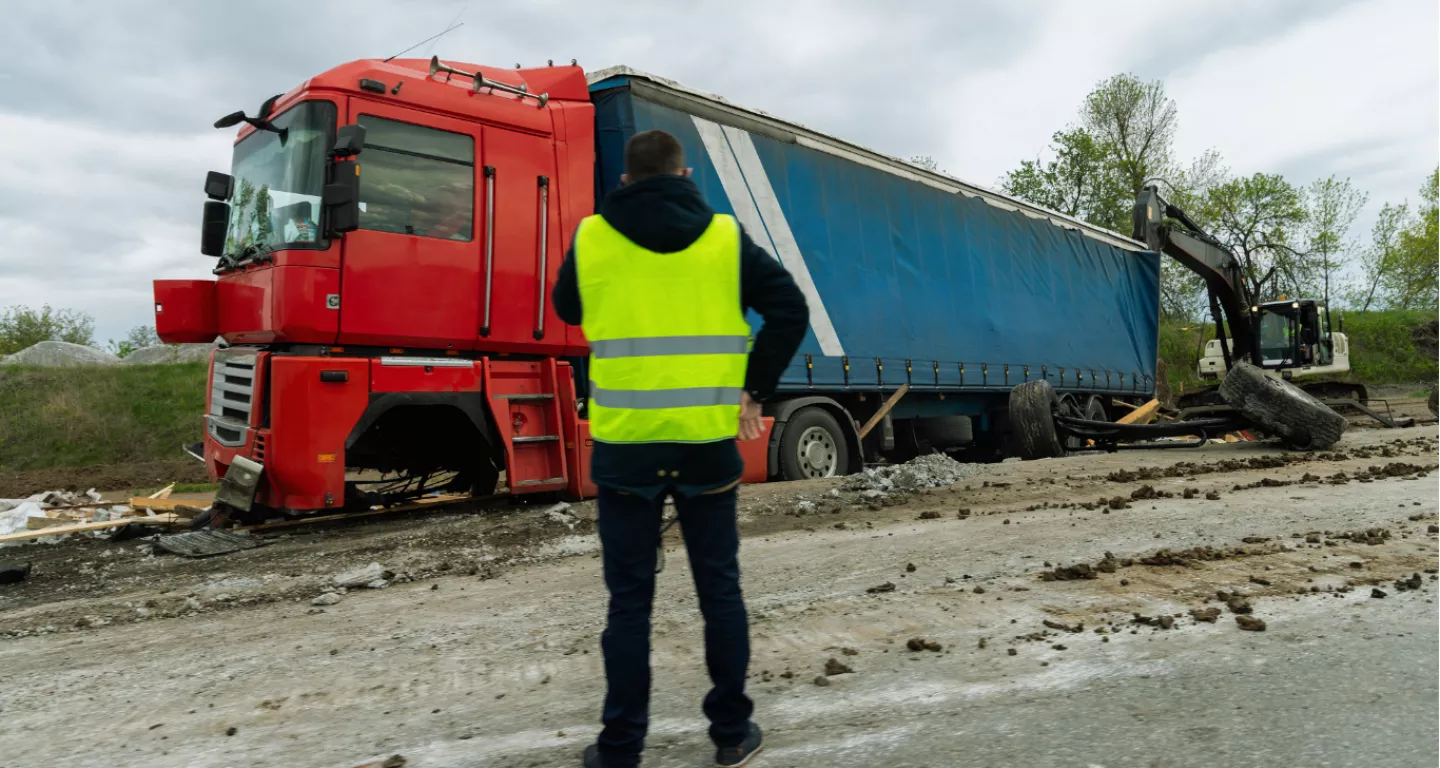
Below is a realistic breakdown of how long truck accident claims usually take—and why.
Short Answer: There Is No Fixed Timeline
Truck accident claims in Coral Springs can take several months to multiple years to resolve. The process moves at different speeds depending on:
- Injury severity
- Number of liable parties
- Insurance company cooperation
- Whether a lawsuit becomes necessary
Quick settlements are uncommon in serious truck accident cases—and often not in the victim’s best interest.
Early Stage: Investigation and Medical Treatment (Weeks to Months)
Immediately after the accident, several things happen at once:
- Medical treatment and diagnosis begin
- Police reports are finalized
- Insurance companies launch investigations
- Evidence such as black box data and driver logs is reviewed
This phase alone can take weeks or months, especially when injuries are severe or ongoing. Claims should not be valued until doctors understand the full extent of the injuries.
Medical Recovery Plays a Major Role
Truck accident claims are often delayed until:
- Treatment stabilizes
- Long-term prognosis is clear
- Future medical needs can be estimated
Settling too early risks underestimating future surgeries, rehabilitation, or permanent disability. Serious injury cases often require many months of medical documentation before negotiations even begin.
Insurance Negotiations Can Take Months
Once damages are documented, negotiations with insurance companies begin. In truck accident cases, insurers often:
- Dispute fault
- Challenge injury severity
- Argue over medical necessity
- Delay responses intentionally
Negotiations alone may take several months, particularly when multiple insurers are involved.
If a Lawsuit Is Filed: One to Two Years (or More)
If insurers refuse to offer fair compensation, filing a lawsuit may be necessary. Litigation involves:
- Formal discovery
- Depositions
- Expert testimony
- Court scheduling
Truck accident lawsuits in Broward County often take one to two years or longer, depending on complexity and court availability.
Factors That Can Speed Up or Slow Down a Claim
A truck accident claim may take longer if:
- Injuries are permanent or catastrophic
- Multiple defendants dispute liability
- Federal trucking regulations are involved
- Expert witnesses are required
A claim may resolve faster if:
- Liability is clear
- Injuries are well-documented
- Insurance coverage is undisputed
However, speed should never come at the expense of fair compensation.
Why Delays Often Benefit Insurance Companies
Insurance companies know injured victims face:
- Medical bills
- Lost income
- Financial pressure
Delays are often used as leverage to push victims into accepting lower settlements. Understanding this strategy helps victims remain patient and informed.
Florida Deadlines Still Apply
Even though claims can take time, Florida law sets strict deadlines for filing truck accident injury and wrongful death claims. Waiting too long to act can permanently eliminate the right to compensation—regardless of claim strength.
What Victims Should Expect
For most serious truck accidents in Coral Springs:
- Minor injury cases: several months
- Serious injury cases: 1 year or more
- Litigated cases: 1–2+ years
Each case follows its own path based on facts, injuries, and resistance from insurers.
Final Thoughts
Truck accident claims in Coral Springs take time because the stakes are high and the injuries are often life-changing. While waiting can be frustrating, rushing a claim often leads to settlements that fail to cover long-term medical needs, lost income, and permanent limitations.
Understanding the timeline helps injury victims set realistic expectations and avoid decisions driven by pressure rather than long-term protection.