
Getting hurt on the job in Fort Lauderdale can really throw a wrench into things. Suddenly, you’re dealing with doctor’s visits, figuring out how to pay your bills, and maybe even worrying about your job. It’s a lot to handle, especially when you’re not feeling your best. This is where knowing your rights and getting the right help makes a big difference. We’ll break down what you need to know about workers’ compensation and how a good lawyer can be your best bet.
Key Takeaways
- Florida’s workers’ compensation system is ‘no-fault,’ meaning you don’t have to prove your employer caused your injury to get benefits. However, insurance companies still look for ways to deny or reduce claims.
- There are strict deadlines for reporting your injury (30 days) and filing a claim (2 years) in Florida. Missing these can mean losing your right to benefits.
- A worker compensation lawyer in Fort Lauderdale can help you understand your rights, deal with insurance companies, and fight claim denials or unfair settlements.
- Common workplace injuries include slips and falls, machinery accidents, and repetitive stress injuries. If a third party caused your injury, you might have an additional legal claim.
- Most workers’ compensation lawyers work on a contingency fee basis, meaning you don’t pay unless they win your case. This makes getting legal help affordable.
Understanding Your Rights After A Fort Lauderdale Workplace Injury
Getting hurt on the job in Fort Lauderdale can be a real shock. One minute you’re doing your work, and the next, you’re dealing with pain, medical bills, and maybe even the worry of not being able to work. It’s a lot to handle, and knowing what to do next is important.
Why Expert Legal Guidance Is Crucial
When you’re injured at work, you’re not just dealing with physical pain; you’re also facing a system that can be confusing and, frankly, stacked against you. Insurance companies are in business to make money, and that often means trying to pay out as little as possible on claims. This is where having someone in your corner who knows the ins and outs of workers’ compensation law makes a huge difference. They can help make sure you’re not taken advantage of.
Navigating Florida’s Complex Workers’ Compensation System
Florida has a "no-fault" workers’ compensation system. This means that generally, you don’t have to prove your employer was careless to get benefits. If your injury happened while you were doing your job, you should be covered. This system is supposed to help with medical costs and lost wages. However, it’s not always straightforward. There are specific rules about who is covered, what types of injuries qualify, and how benefits are calculated. For instance, most employers with four or more workers need to have this insurance, but construction jobs have different rules. Understanding these details is key to getting the help you need. If you were injured in a work-related auto accident in Florida, you may be eligible for workers’ compensation and personal injury claims. Consulting an experienced attorney who handles both auto accidents and workers’ compensation is recommended to investigate fault and ensure you receive just compensation.
Critical Deadlines You Cannot Afford To Miss
One of the most stressful parts of dealing with a work injury is the ticking clock. There are strict deadlines you must meet, and missing even one can mean losing out on benefits you’re entitled to. Generally, you need to report your injury to your employer within 30 days of it happening. After that, you typically have two years from the date of injury to file a formal workers’ compensation claim. These dates are not suggestions; they are legal requirements. It’s vital to act quickly and get your claim started properly.
- Report your injury to your supervisor or HR.
- Seek medical attention right away.
- File your official claim within the state’s timeframe.
It’s easy to think you can handle everything yourself, especially if your injury seems minor at first. But the workers’ compensation system has many steps, and mistakes can be costly. Getting professional advice early on can prevent problems down the road.
Choosing The Right Fort Lauderdale Workers’ Compensation Attorney
Picking the right lawyer after a workplace injury is a really big deal. It’s not just about finding someone who knows the law; it’s about finding someone who will actually fight for you when you’re feeling your worst. The system in Florida can be confusing, and insurance companies aren’t always on your side. That’s where a good attorney makes all the difference.
What A Dedicated Work Injury Lawyer Does For You
A work injury lawyer is your main advocate. They handle all the paperwork, talk to the insurance adjusters, and make sure you understand what’s happening with your case. They deal with the back-and-forth so you can focus on getting better. Think of them as your personal guide through a maze you didn’t ask to enter.
- Investigating the details of your accident.
- Gathering all necessary medical records and bills.
- Communicating with your employer and their insurance company.
- Negotiating a fair settlement on your behalf.
- Representing you in any hearings or appeals if needed.
The insurance company has lawyers working for them. You need someone on your side who knows how to counter their strategies and protect your interests. It’s about leveling the playing field.
The Importance Of Experience And Specialization
When you’re looking for help, don’t just pick any lawyer. You want someone who specifically handles workers’ compensation cases in Fort Lauderdale. Florida’s workers’ comp laws are complicated, and they change. An attorney who focuses on this area will know the ins and outs, the local judges, and the common tactics insurance companies use. They’ve likely seen your type of injury before and know what benefits you should be getting. It’s like going to a specialist doctor for a serious condition – you want someone who knows that specific field really well. This kind of focused knowledge can significantly impact the outcome of your claim, especially if you’re trying to figure out if you should pursue a workers’ compensation claim or a personal injury claim.
Understanding Attorney Fees: Contingency Basis Explained
One of the biggest worries after an injury is how you’ll afford a lawyer when you’re already dealing with lost income and medical bills. Most work injury lawyers in Fort Lauderdale work on what’s called a contingency fee basis. What does that mean? Simply put, it’s a "no win, no fee" arrangement. You don’t pay anything upfront. The lawyer only gets paid if they successfully recover money for you, either through a settlement or a court award. Their fee is then a percentage of that recovery. This system makes getting legal help accessible to everyone, regardless of their financial situation at the moment. It also means the lawyer is highly motivated to get you the best possible outcome, because their payment depends on it. Any costs associated with your case, like filing fees, are usually discussed upfront during your initial free consultation.
Common Workplace Injuries And Their Legal Implications
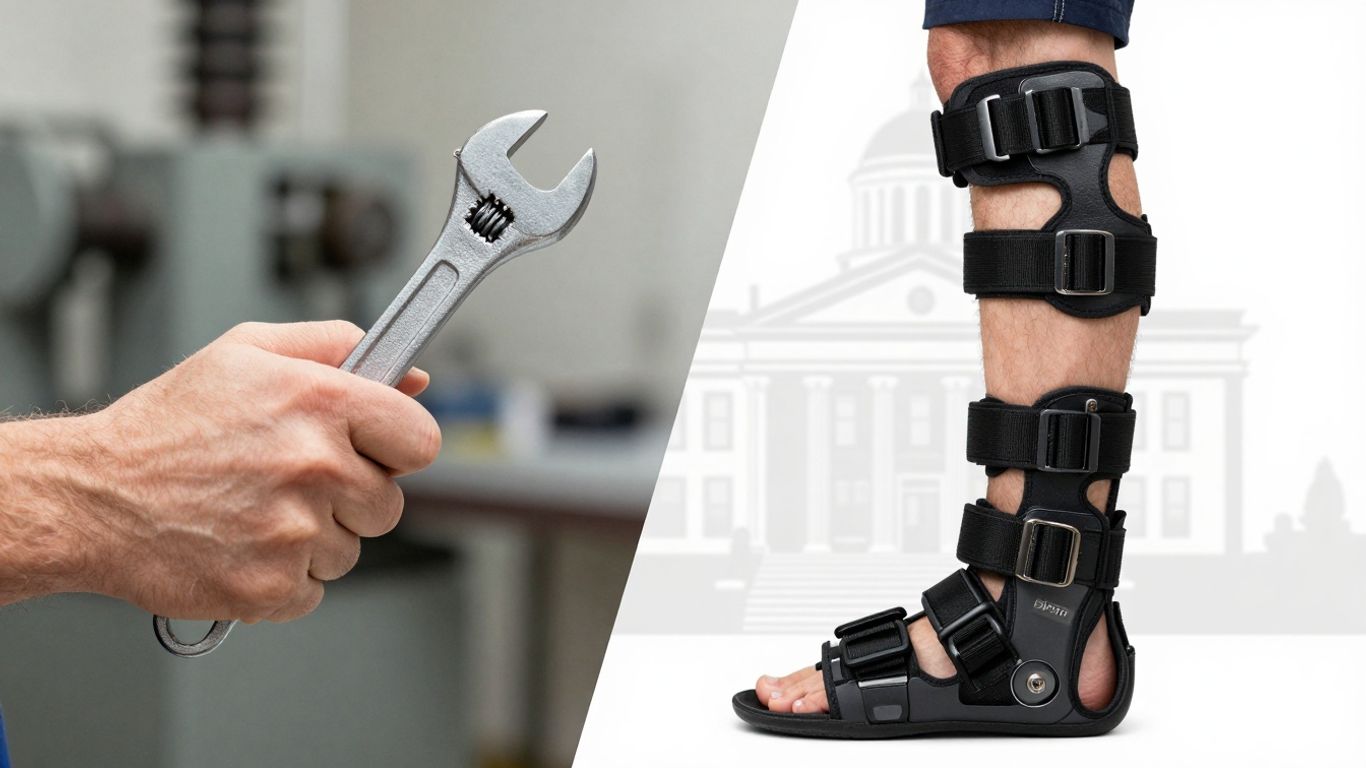
When you get hurt on the job in Fort Lauderdale, it’s not just about the physical pain. The type of injury you sustain can have a big impact on your workers’ compensation claim. Understanding these common injuries and how they’re viewed legally is a big step in getting the benefits you deserve.
Identifying Different Types Of Work-Related Injuries
Workplace injuries come in all shapes and sizes, from a simple slip and fall to something much more serious. Knowing what kind of injury you have is the first step. Here are some of the most frequent ones we see:
- Slips, Trips, and Falls: These are super common, whether you work in an office or on a construction site. Wet floors, cluttered walkways, or even just a misplaced box can lead to sprains, fractures, or head injuries.
- Musculoskeletal Disorders (MSDs): Think back injuries, neck pain, or carpal tunnel syndrome. These often happen from doing the same motion over and over, lifting heavy things incorrectly, or just having a poorly set-up workspace. They can cause long-term pain and make it hard to do your job.
- Strains and Sprains: Overexertion is a big culprit here. Lifting something too heavy, twisting the wrong way, or just pushing yourself too hard can lead to painful strains and sprains, often in the back or limbs.
- Cuts and Lacerations: If your job involves sharp tools or machinery, cuts are a real risk. Not having the right safety gear or proper training can make these injuries more likely.
- Vehicle Accidents: For those who drive for work, car accidents are a significant risk. These can range from minor fender-benders to serious collisions.
The specific nature of your injury will directly influence the type and extent of benefits you can claim.
When A Third Party Is Responsible For Your Injury
Sometimes, your injury isn’t just your employer’s fault. There might be another person or company, a "third party," whose actions or negligence contributed to your accident. For example, if you’re a delivery driver and another driver runs a red light, causing an accident, that other driver is a third party. Or, if you’re injured by faulty equipment manufactured by a different company, that manufacturer could be liable. In these situations, you might have grounds for a personal injury lawsuit in addition to your workers’ comp claim. This can be complicated, but a lawyer can help you figure out who is responsible and how to pursue all the compensation you’re owed. It’s important to explore all avenues when seeking recovery after a serious incident, and consulting with a Fort Lauderdale work injury lawyer can clarify your options.
Understanding What Benefits You Are Eligible For
Workers’ compensation is designed to help you get back on your feet after a work-related injury. The benefits you can receive generally fall into a few main categories:
- Medical Benefits: This covers all reasonable and necessary medical treatment related to your injury. This includes doctor visits, hospital stays, surgery, medication, and physical therapy.
- Lost Wage Benefits: If your injury prevents you from working, you’re entitled to compensation for a portion of your lost income. This is typically a percentage of your average weekly wage.
- Permanent Disability Benefits: If your injury results in a permanent impairment that affects your ability to earn a living, you may be eligible for long-term disability benefits.
- Vocational Rehabilitation: In some cases, if you can’t return to your old job, workers’ comp may provide services to help you retrain for a new career.
The specifics of what benefits you get depend heavily on the severity of your injury, your ability to work, and Florida’s workers’ compensation laws. It’s not always straightforward, and insurance companies might try to limit what you receive.
Navigating these benefits can be confusing, and it’s easy to miss out on what you’re entitled to if you don’t have proper guidance. That’s where having an experienced attorney makes a significant difference.
What To Do When Your Workers’ Compensation Claim Is Denied
Getting a denial for your workers’ compensation claim can feel like a punch to the gut, especially when you’re already dealing with an injury. It’s a common hurdle, but it’s definitely not the end of the road. Many denied claims can actually be overturned with the right approach. Insurance companies sometimes deny claims for a variety of reasons, and understanding these is the first step to fighting back.
Common Reasons For Claim Denials
It’s not uncommon for claims to hit a snag. Insurers might deny a claim if they believe the injury didn’t happen at work, if you didn’t report it within the required timeframe, or if they suspect drug or alcohol influence at the time of the incident. Sometimes, they’ll try to argue that the injury was due to horseplay or an argument with a coworker, or that it’s a pre-existing condition. Your employer might also dispute the claim, especially if it’s going to be costly for them. It’s important to remember that the insurance company has to prove these things, and they don’t always have a solid case.
Here are some frequent reasons claims get rejected:
- Injury Not Work-Related: The insurer claims the injury didn’t happen while performing job duties or at the workplace.
- Late Reporting: You didn’t notify your employer about the injury within the legally mandated period.
- Employer Dispute: Your employer contests the validity or cause of your injury.
- Pre-existing Condition: The insurance company argues the issue you’re experiencing predates your employment or the incident.
- Influence of Substances: Allegations that drugs or alcohol contributed to the injury.
Don’t let a denial letter discourage you. It’s often just the beginning of a process, and there are established steps to challenge their decision. The key is to act promptly and gather all necessary documentation.
The Appeals Process: Your Path To Justice
If your claim gets denied, the first thing you should do is carefully review the denial letter. It will usually outline the specific reasons for the rejection and provide instructions on how to appeal. Following these instructions precisely is critical to ensure the insurer receives all the information needed for reconsideration. This process often involves filing a formal appeal, sometimes called a Petition for Benefits, within a strict deadline. Missing this deadline can mean losing your right to appeal altogether. The appeals process can involve mediation, hearings, and presenting evidence to support your case. It’s a structured way to get your claim re-evaluated, and it’s your opportunity to present a stronger argument for why you deserve benefits. You can start by following the instructions in the denial letter to appeal the decision [c910].
How An Attorney Can Help Overturn A Denial
Dealing with a denied workers’ compensation claim on your own can be incredibly stressful and confusing. This is where a dedicated Fort Lauderdale workers’ compensation attorney becomes invaluable. They understand the intricacies of Florida’s workers’ compensation laws and the tactics insurance companies use. An attorney will meticulously review the denial, gather all relevant evidence – including medical records and witness statements – and build a robust case for your appeal. They know how to properly file the necessary paperwork and meet all deadlines. Furthermore, they will represent you in any hearings or negotiations, acting as your advocate against the insurance company. Their experience can significantly increase your chances of successfully overturning the denial and securing the benefits you’re entitled to for your recovery.
Maximizing Your Recovery With A Fort Lauderdale Legal Advocate
Dealing with a work injury is tough enough without having to fight with insurance companies. That’s where a good lawyer really steps in. They’re not just there to file papers; they’re your main person for making sure you get everything you’re supposed to.
Fighting Insurance Company Tactics
Insurance companies often try to make things difficult. They might question your injury, delay payments, or offer a settlement that’s way lower than what you actually need. A lawyer knows all their tricks. They can spot when an insurance adjuster is trying to take advantage of you and push back. They’ll handle all the calls and paperwork, so you can focus on getting better.
- Challenging lowball settlement offers.
- Preventing unfair claim denials.
- Ensuring all necessary medical treatments are approved.
- Gathering evidence to support your claim’s full value.
Securing Fair Compensation For Lost Wages And Medical Care
Workers’ comp is supposed to cover your medical bills and a portion of your lost income. But getting that money can be a whole process. Your lawyer will make sure all your medical records are in order and that your doctor’s reports clearly show why you can’t work. They’ll also calculate what you’ve lost in wages, including potential future earnings if your injury is long-term. The goal is to get you back on your feet financially, not just barely getting by.
The Role Of An Attorney In Medical Treatment Decisions
When you’re injured, getting the right medical care is super important. Sometimes, the insurance company might want you to see a specific doctor, or they might question the treatment your own doctor recommends. Your lawyer can help here. They can make sure you get the medical attention you need, even if it means getting a second opinion or fighting for approval for a specific therapy or surgery. They act as a shield between you and the insurance company’s medical opinions, always putting your health first.
It’s easy to feel overwhelmed when your health and finances are on the line. Having a legal advocate means you have someone in your corner who understands the system and is fighting to protect your interests, allowing you to concentrate on healing.
Protecting Yourself From Retaliation After Filing A Claim
It’s a tough situation when you get hurt on the job. You’re dealing with pain, medical appointments, and figuring out how to pay your bills. The last thing you need is to worry about your employer making things worse because you filed a workers’ compensation claim. But it happens. Some employers might try to make your life difficult, hoping you’ll just give up. Florida law, however, has your back on this.
Your Rights Against Wrongful Termination
Florida Statute 440.205 makes it clear: your employer cannot fire you just because you filed a workers’ compensation claim. This protection is there to make sure you can seek the benefits you’re entitled to without fear. However, this doesn’t mean you have a golden ticket to do whatever you want at work. An employer can still let you go for legitimate reasons that have nothing to do with your injury claim. The tricky part is figuring out their real reason. Was it because you filed a claim, or was it for something else entirely, like poor performance or attendance issues unrelated to your injury?
Proving Employer Retaliation
Figuring out if your employer retaliated against you can be complicated. It’s not always a direct threat or an immediate firing. Retaliation can show up in different ways:
- Demotion or Transfer: You might be moved to a less desirable position or a lower-paying job.
- Harassment: Your boss or coworkers might start making your work life miserable, creating a hostile environment.
- Unfair Discipline: You could face disciplinary actions for minor infractions that were previously overlooked.
- Reduced Hours or Pay: Your work schedule or salary might be cut without a good reason.
- Termination: Being fired outright is the most obvious form of retaliation.
To build a case, you’ll need evidence. This could include emails, texts, witness statements, or performance reviews that show a sudden negative change after you filed your claim. It’s about showing a pattern of negative actions that started after you exercised your right to workers’ compensation.
Proving retaliation often comes down to showing that the employer’s stated reason for their action is not the real reason. It requires careful investigation and a clear timeline of events.
Seeking Reinstatement and Lost Wages
If you believe you’ve been wrongfully terminated or have faced other forms of retaliation, you have options. An experienced Fort Lauderdale workers’ compensation attorney can help you fight back. They can investigate your situation, gather evidence, and negotiate with your employer or their insurance company. In some cases, the goal might be to get you reinstated in your old job. You may also be able to recover lost wages from the time you were out of work due to the retaliation. This is where having a legal advocate who understands these specific challenges is so important. They can help you pursue the justice you deserve and ensure your employer is held accountable for violating your rights after you filed a work injury claim.
Here’s a quick look at what an attorney can do:
- Investigate: They’ll look into the circumstances surrounding your termination or the retaliatory actions.
- Gather Evidence: Collecting documents, witness accounts, and other proof to support your case.
- Negotiate: They’ll talk with the employer or insurance company to try and reach a fair settlement.
- Represent You: If needed, they’ll represent you in legal proceedings to fight for your rights.
After you file a claim, it’s important to know your rights. Sometimes, people worry about facing unfair treatment from their employer because they spoke up. This is called retaliation, and it’s against the law. If you’re concerned about this, we can help you understand what steps to take to protect yourself. Visit our website to learn more about how we can support you.
Don’t Go It Alone After a Workplace Injury
Look, getting hurt on the job is rough. You’re dealing with pain, maybe can’t work, and then you’ve got insurance companies to worry about. It’s a lot. Florida’s workers’ comp system is supposed to help, but it’s not always straightforward, and sometimes they try to make things difficult. That’s where having someone in your corner makes a real difference. A good lawyer knows the ins and outs, can deal with the paperwork, and fights to make sure you get what you’re owed so you can focus on getting better. Don’t let a workplace injury derail your life – get the expert help you need in Fort Lauderdale today.
Frequently Asked Questions
What should I do right after getting hurt at work?
The first thing you should do is get medical help right away, even if you think your injury isn’t that serious. After that, tell your HR department or your boss about what happened. They’ll need to know so they can start the process for your workers’ compensation claim. Sometimes, you might need to see a doctor chosen by the insurance company, but it’s always a good idea to talk to a lawyer before you agree to anything.
What kinds of injuries can workers’ compensation cover?
Workers’ compensation can cover a lot of different injuries and illnesses that happen because of your job. This includes things like getting hurt by machinery, burns, falling down, cuts, or even injuries from doing the same movement over and over. If you got sick from something at work, that can be covered too. Sadly, it can even cover funeral costs if a workplace accident leads to a death.
Do I need a lawyer if my work injury case is ‘no-fault’?
Even though workers’ compensation is a ‘no-fault’ system (meaning you don’t have to prove someone else was to blame), dealing with insurance companies can be really tough. They have people whose job it is to pay out as little as possible. A lawyer knows how the system works and can fight for you to make sure you get all the benefits you deserve, like money for medical bills and lost wages, without you having to become a legal expert yourself.
How much does it cost to hire a workers’ compensation lawyer?
Most workers’ compensation lawyers work on what’s called a ‘contingency fee’ basis. This means you don’t pay them anything upfront. They only get paid if they win your case, and their payment is a percentage of the money you receive. This way, you can get expert legal help without worrying about paying expensive hourly rates when you’re already dealing with injuries and lost income.
What happens if my workers’ compensation claim is denied?
Getting your claim denied can be upsetting, but it’s not the end of the road. There are many reasons why claims get denied, like if the insurance company questions how you got hurt or if you missed a deadline. The good news is that many denied claims can be appealed. A lawyer can help you figure out why it was denied, gather more proof, and fight the decision for you through the appeals process.
Can my employer fire me for filing a workers’ compensation claim?
No, it’s against the law in Florida for your employer to fire you just because you filed a workers’ compensation claim. However, they can still fire you for other valid reasons that have nothing to do with your injury. If you believe you were fired unfairly because you reported a work injury, a lawyer can help you prove it and fight for your job back or for lost wages.