
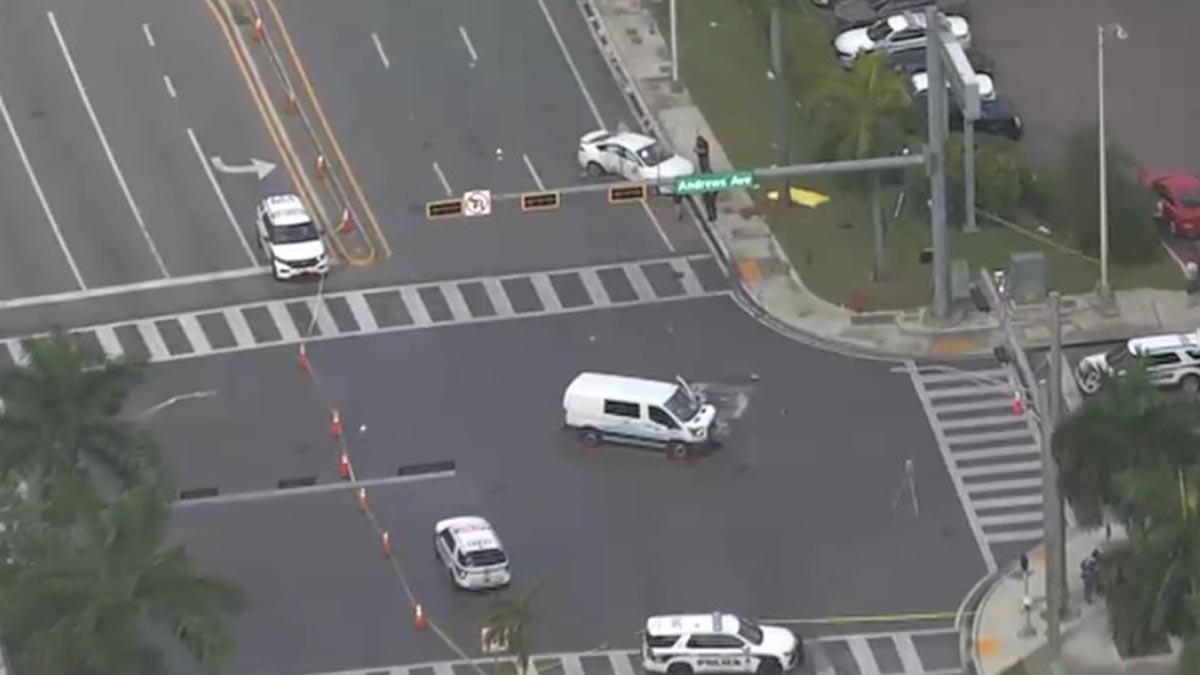
What Makes Pedestrian Accident Cases in Fort Lauderdale Different
Pedestrian accident cases in Fort Lauderdale are not like standard car accident claims. They are more complex, more aggressively defended by insurance companies, and far more likely to involve life-altering injuries. For injured pedestrians in Broward County, these differences can directly affect how much compensation is available and how difficult it is to recover it.
Understanding what makes pedestrian accident cases in Fort Lauderdale different can help you avoid costly mistakes and better protect your legal rights from the start.
Pedestrians Suffer More Severe Injuries Than Drivers
The biggest difference in pedestrian accident cases is the severity of injuries. Pedestrians have no seatbelts, airbags, or steel frames protecting them. When a vehicle strikes someone on foot, the body absorbs the full force of the impact.
In Fort Lauderdale, pedestrian accidents frequently result in:
- Traumatic brain injuries
- Spinal cord damage
- Multiple broken bones
- Internal organ injuries
- Permanent disability
Because injuries are often catastrophic, these cases involve significantly higher medical costs and long-term consequences.
Florida’s No-Fault System Creates Unique Challenges
Florida’s no-fault insurance system complicates pedestrian accident claims in ways many victims do not expect.
Key differences include:
- Personal Injury Protection (PIP) may apply even if you were walking
- PIP coverage is limited and often insufficient for serious injuries
- Serious injury thresholds must be met to pursue full compensation
Many pedestrian accident victims must move beyond no-fault coverage to recover the true value of their damages.
Disputes Over Right of Way Are Common
Pedestrian accident cases often center on who had the right of way. In Fort Lauderdale’s busy intersections and tourist-heavy areas, these disputes happen frequently.
Insurance companies often argue:
- The pedestrian crossed outside a crosswalk
- The pedestrian entered traffic suddenly
- Visibility was limited
Even when drivers violate traffic laws, insurers frequently try to shift blame onto pedestrians.
Comparative Negligence Plays a Bigger Role
Florida follows a comparative negligence system, meaning fault can be shared between parties.
In pedestrian cases, insurers often claim:
- The pedestrian was distracted
- The pedestrian ignored traffic signals
- The pedestrian contributed to the accident
This makes pedestrian accident cases more aggressively contested than many vehicle-only crashes.
Evidence Disappears Quickly in Pedestrian Accidents
Pedestrian accident cases rely heavily on scene evidence, and that evidence often disappears fast.
Critical evidence includes:
- Traffic camera footage
- Surveillance video from nearby businesses
- Witness statements
- Road and crosswalk conditions
In busy Fort Lauderdale corridors like Broward Boulevard, Federal Highway, Sunrise Boulevard, and A1A, evidence can be lost within days.
Multiple Parties May Be Liable
Another key difference is that pedestrian accident cases often involve more than one responsible party.
Liable parties may include:
- Negligent drivers
- Rideshare drivers and companies
- Commercial vehicle operators
- Employers
- Government entities responsible for road design or signals
Identifying all liable parties is essential in serious injury cases.
Insurance Companies Fight Pedestrian Claims Harder
Pedestrian accident claims often involve higher payouts, which means insurance companies fight harder.
Common tactics include:
- Questioning injury severity
- Arguing pre-existing conditions
- Blaming the pedestrian
- Offering quick, low settlements
These strategies are far more aggressive than those used in minor car accident claims.
Long-Term and Future Damages Matter More
Pedestrian accident cases place a heavy focus on future damages.
These may include:
- Ongoing medical treatment
- Future surgeries
- Loss of earning capacity
- Long-term care needs
- Reduced quality of life
Calculating these damages requires careful documentation and expert input.
Local Traffic Patterns Increase Risk
Fort Lauderdale’s layout creates unique pedestrian dangers.
High-risk factors include:
- Heavy tourist traffic
- Rideshare congestion
- Wide multi-lane roads
- Coastal roadways with high speeds
These local conditions often play a role in how accidents occur and how liability is determined.
Legal Deadlines and Government Claims
Some pedestrian accident cases involve claims against city or county entities.
These cases follow:
- Shorter notice requirements
- Special filing rules
- Strict deadlines
Missing these steps can eliminate valid claims entirely.
Why Legal Guidance Matters More in Pedestrian Cases
Because pedestrian accident cases involve severe injuries, disputed fault, and complex insurance rules, proper legal guidance is especially important.
Early legal involvement helps:
- Preserve critical evidence
- Counter insurance company tactics
- Accurately calculate long-term damages
- Identify all liable parties
Without proper guidance, injured pedestrians risk undervaluing their claims.
Final Thoughts
Pedestrian accident cases in Fort Lauderdale are different because the stakes are higher, the injuries are more severe, and the legal challenges are more complex. From Florida’s no-fault system to comparative negligence and aggressive insurance defense tactics, these cases require careful handling from the very beginning.