
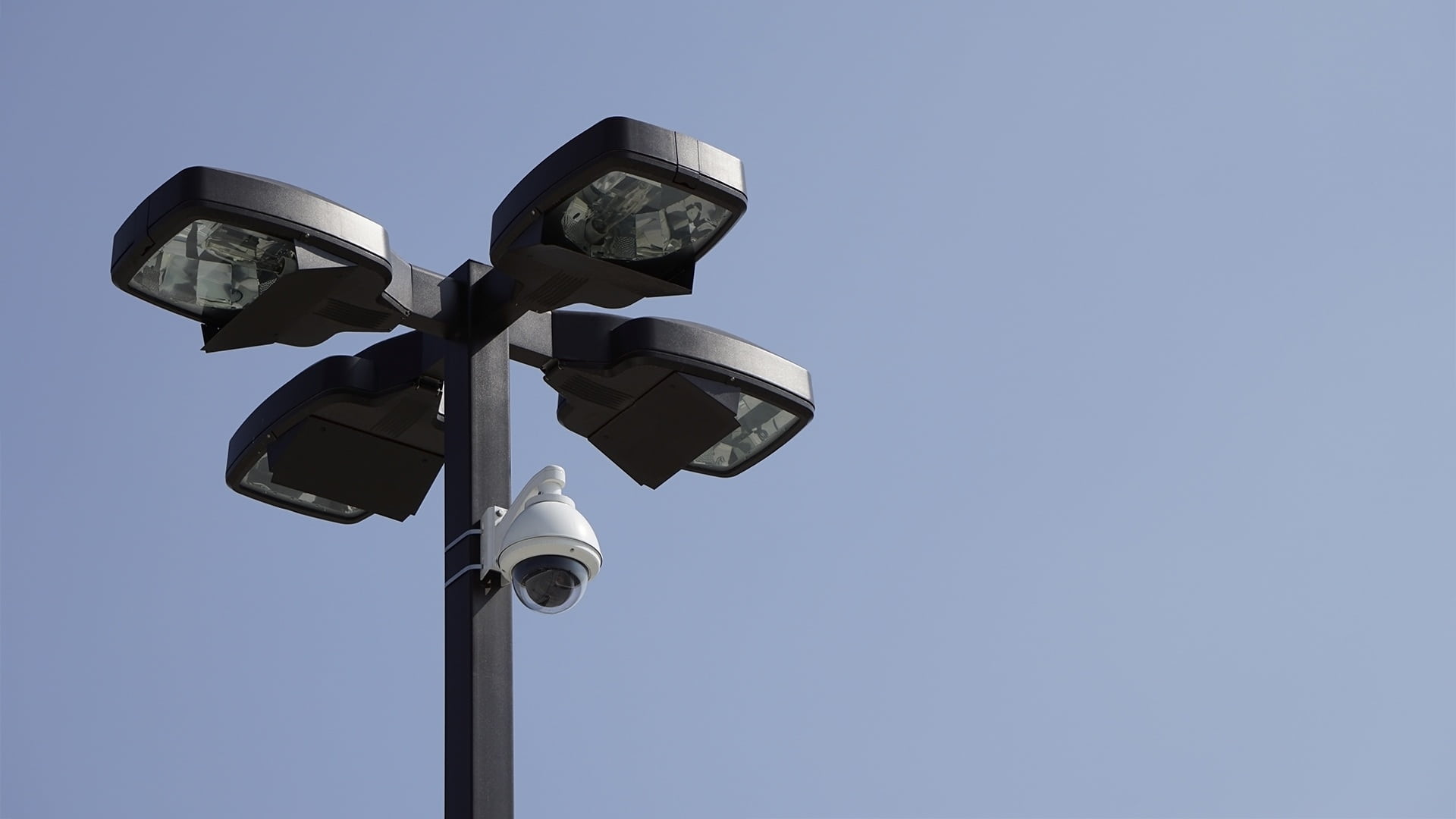
What Injury Victims Should Know About Surveillance Investigations
After an accident in Fort Lauderdale or anywhere in Broward County, many injury victims focus on medical treatment and insurance paperwork. What most people do not realize is that insurance companies often conduct surveillance investigations—sometimes quietly and without warning. These investigations are designed to gather information that insurers can use to minimize, delay, or deny compensation.
Understanding what injury victims should know about surveillance investigations can help you protect your claim, avoid costly mistakes, and prevent insurers from misrepresenting your recovery under Florida law.
Why Insurance Companies Use Surveillance
Insurance companies use surveillance to reduce financial exposure. When claims involve significant injuries, long treatment timelines, or pain and suffering damages, insurers often look for ways to challenge credibility.
Surveillance is commonly used to:
- Dispute the severity of injuries
- Argue pain is exaggerated
- Challenge disability or work restrictions
- Reduce pain and suffering compensation
- Support low settlement offers or denials
Surveillance is not about truth—it is about finding moments insurers can take out of context.
When Surveillance Is Most Likely to Occur
Not every claim involves surveillance, but certain situations make it more likely.
Insurance companies are more likely to investigate when:
- Injuries are serious or long-lasting
- Treatment continues longer than expected
- Pain and suffering damages are substantial
- Disability or work limitations are claimed
- The claim value is high
- Litigation is anticipated
In Fort Lauderdale, Davie, Plantation, and Hollywood cases, surveillance is especially common in back injury, neck injury, and soft tissue claims.
What Surveillance Typically Involves
Surveillance investigations are usually conducted by private investigators hired by insurance companies. These investigators may observe and record activities in public places.
Common surveillance methods include:
- Video recording in public areas
- Photographing daily activities
- Monitoring entrances and exits of homes
- Following claimants to appointments or errands
- Reviewing social media activity
Investigators are limited by law, but they are trained to capture brief moments that can be misleading.
What Investigators Are Looking For
Insurance companies are not expecting you to stay indoors or stop living your life. Instead, they look for moments that can be framed as inconsistent with your injury claims.
Examples include:
- Carrying groceries
- Walking without visible discomfort
- Bending or lifting briefly
- Driving for extended periods
- Participating in everyday activities
Even medically appropriate activity can be portrayed as evidence that injuries are not serious.
How Surveillance Footage Is Used Against Claimants
Surveillance footage is rarely presented in full context. Instead, insurers often use short clips or photos to suggest that an injured person is exaggerating pain or limitations.
Insurers may argue:
- “If you can do this, you’re not really injured”
- “Your pain must be minimal”
- “You exaggerated limitations to doctors”
- “You don’t need ongoing treatment”
These arguments ignore medical guidance that encourages light activity during recovery.
Surveillance Does Not Show Pain
One of the most important things injury victims should understand is that surveillance does not capture pain. It only captures movement.
Many injuries allow limited activity but cause pain later. Insurance companies often ignore this reality and treat any activity as proof that injuries do not exist.
Social Media and Surveillance Go Hand in Hand
Surveillance investigations often include social media monitoring. Photos, videos, check-ins, and comments are frequently reviewed.
Common social media issues include:
- Photos taken out of context
- Old photos reposted during recovery
- Smiling photos used to imply no pain
- Comments interpreted as physical activity
Insurance companies rarely consider timing or context when using social media content.
What You Should Not Do During a Claim
When a claim is pending, certain actions can unintentionally harm your case.
Avoid:
- Posting about your accident or injuries online
- Sharing details about recovery on social media
- Accepting friend requests from unknown people
- Exaggerating abilities or limitations
- Making jokes about being “fine”
Anything public can potentially be monitored or misused.
Surveillance Does Not Mean You Are Doing Something Wrong
Many injury victims panic when they learn surveillance exists. It is important to understand that surveillance is common and does not mean your claim is invalid.
Insurance companies often conduct surveillance hoping to find something—even if nothing improper occurs.
How Medical Records Counter Surveillance Footage
Strong medical documentation is the best defense against surveillance tactics. When records clearly explain what activities are allowed and expected during recovery, surveillance loses much of its power.
Medical records should reflect:
- Functional limitations
- Pain with activity
- Doctor-approved movement
- Recovery expectations
When medical guidance supports limited activity, insurers have less room to misrepresent footage.
Why Consistency Matters More Than Perfection
Insurance companies are not looking for illegal behavior—they are looking for inconsistencies.
Consistency between:
- Medical records
- Daily activities
- Work restrictions
- Pain reports
is far more important than avoiding all activity.
Surveillance in Litigation vs. Insurance Claims
Surveillance is common both before and after lawsuits are filed. In litigation, insurers may disclose surveillance footage during discovery or attempt to use it at trial.
Proper legal handling ensures that footage is:
- Reviewed in context
- Challenged when misleading
- Explained through medical testimony
Unchallenged footage can appear more damaging than it truly is.
Common Insurance Misrepresentations of Surveillance
Insurance companies often misrepresent surveillance by:
- Showing short clips instead of full days
- Ignoring pain after activity
- Misstating medical restrictions
- Suggesting activities were strenuous
These tactics are designed to influence adjusters, mediators, or juries.
How Legal Guidance Protects Injury Victims
An experienced Fort Lauderdale personal injury lawyer understands surveillance tactics and how insurers use them.
Legal guidance helps by:
- Advising on safe conduct during a claim
- Reviewing surveillance footage
- Countering misleading interpretations
- Aligning medical documentation with activity
- Preventing unfair settlement reductions
Many claims survive surveillance challenges when handled correctly.
Surveillance Is Often Less Damaging Than Insurers Claim
Insurance companies frequently exaggerate the importance of surveillance to pressure injury victims into low settlements.
In reality, surveillance rarely tells the full story—and courts understand that injured people still live their lives while in pain.
Protecting Your Claim in South Florida
If you were injured in Fort Lauderdale, Davie, Plantation, Hollywood, Sunrise, Pompano Beach, or anywhere in Broward County, assume insurance companies may be watching—but do not let fear control your recovery.
Live within your medical restrictions, follow your doctor’s advice, and be mindful of what you share publicly.
Speak With a Fort Lauderdale Personal Injury Lawyer
If you believe an insurance company is conducting surveillance or using footage to challenge your injury claim, help is available. A Fort Lauderdale personal injury lawyer can review the situation, protect your rights, and prevent insurers from misusing surveillance evidence.
Free consultations are available, there are no upfront fees, and you pay nothing unless compensation is recovered. Help is available 24/7 for injury victims across South Florida.