
What Evidence Insurance Companies Look for After an Accident
After an accident in Fort Lauderdale or anywhere in Broward County, insurance companies immediately begin building their case. While injured victims are focused on medical care and recovery, insurers are focused on something else entirely: evidence. Specifically, they are looking for evidence that limits how much they have to pay—or allows them to deny the claim altogether.
Understanding what evidence insurance companies look for after an accident can help you protect your rights, avoid common mistakes, and strengthen your injury claim under Florida law.
Accident Scene Evidence and Physical Damage
One of the first things insurance companies examine is evidence from the accident scene itself. This evidence often shapes how fault is assigned and whether liability is disputed.
Insurers closely review:
- Photos or videos of the accident scene
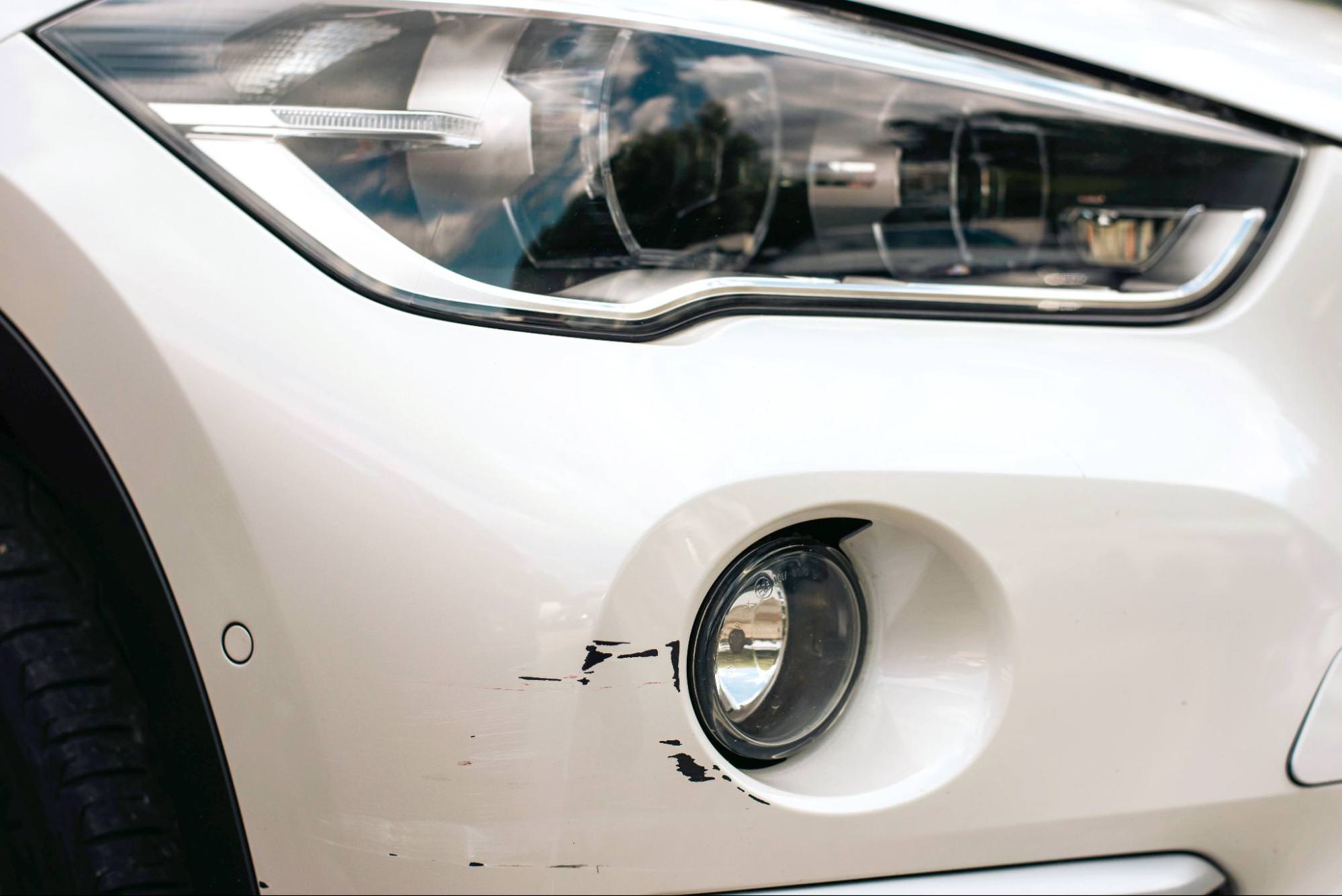
- Vehicle damage and points of impact
- Road conditions, debris, and skid marks
- Traffic signals, signage, and lane markings
- Weather and lighting conditions
Even small details matter. The position of vehicles, the severity of damage, and visible road hazards are often used to reconstruct how the accident occurred. In Fort Lauderdale and South Florida, accidents on major roads like I-95, I-595, US-1, and Broward Boulevard receive particularly close scrutiny due to traffic volume and speed.
If no photos exist, insurers may rely on limited or biased reports, which can work against injured victims.
Police Reports and Official Documentation
Police reports are among the most influential pieces of evidence insurance companies rely on after an accident. While a police report does not determine fault conclusively, insurers often treat it as a roadmap for their investigation.
Insurance companies look for:
- Officer observations
- Statements from drivers and witnesses
- Diagrams and crash descriptions
- Traffic citations or violations
- Indications of impairment or distraction
If the report contains errors or incomplete information, insurers may use those gaps to question liability. In some cases, statements made at the scene—often while victims are shaken or injured—are later used against them.
Medical Records and Treatment History
Medical evidence is critical in every injury claim. Insurance companies carefully review medical records to determine whether injuries are legitimate, related to the accident, and serious enough to justify compensation.
They analyze:
- Emergency room records
- Diagnostic imaging such as X-rays or MRIs
- Doctor notes and diagnoses
- Treatment plans and referrals
- Gaps or delays in treatment
Under Florida’s no-fault insurance system, injured victims must seek medical care within 14 days to qualify for Personal Injury Protection benefits. Insurers often use delays in treatment to argue that injuries were minor or unrelated.
Medical records are also scrutinized for any mention of pre-existing conditions, which insurers may attempt to blame instead of the accident.
Statements Given to Insurance Adjusters
Insurance companies pay close attention to statements made by injured victims, whether written, recorded, or casual.
Adjusters look for:
- Inconsistencies in how the accident is described
- Admissions of partial fault
- Downplaying of injuries or pain
- Speculation about what happened
Even simple phrases like “I’m feeling better” or “I didn’t see the other car” can be taken out of context and used to reduce compensation. Recorded statements are often requested early, before the full extent of injuries is known.
Witness Statements and Third-Party Accounts
Independent witnesses can significantly influence how insurance companies evaluate claims. Insurers often give more weight to witness statements than to statements from drivers involved in the accident.
They consider:
- Consistency between witness accounts
- Whether witnesses are neutral or connected to a party
- Timing of statements
- Alignment with physical evidence
In busy areas of Davie, Plantation, Hollywood, and Fort Lauderdale, witnesses may include pedestrians, nearby drivers, or employees at surrounding businesses. Without witness contact information, insurers may rely solely on their own interpretation of events.
Surveillance Footage and Video Evidence
Video evidence has become increasingly important in South Florida accident claims. Insurance companies actively seek footage from multiple sources.
This may include:
- Traffic cameras
- Business security cameras
- Dashcams
- Rideshare vehicle footage
Video evidence can either support or undermine an injury claim. Insurers often request footage quickly, knowing that many systems automatically delete recordings within days.
Vehicle Data and Electronic Evidence
Modern vehicles store electronic data that insurers may analyze after an accident. This information can reveal what happened in the moments leading up to a crash.
Insurers may review:
- Speed at impact
- Braking or acceleration
- Seatbelt usage
- Airbag deployment data
In serious accidents, this data is sometimes used to challenge a driver’s version of events or to argue comparative negligence under Florida law.
Social Media Activity
Insurance companies frequently monitor social media accounts after an accident. Posts, photos, comments, and check-ins are reviewed for anything that contradicts injury claims.
They look for:
- Photos showing physical activity
- Posts suggesting travel or recreation
- Statements minimizing injuries
- Inconsistent timelines
Even innocent posts can be misinterpreted and used to argue that injuries are exaggerated or resolved.
Employment and Income Records
When lost wages or reduced earning capacity are part of a claim, insurers analyze employment documentation carefully.
This includes:
- Pay stubs and tax records
- Work schedules
- Job descriptions and physical requirements
- Employer statements
Insurers often challenge whether missed work was truly necessary or whether the injury affected job performance.
Prior Claims and Medical History
Insurance companies routinely review past claims and medical history to identify patterns they believe weaken credibility.
They may examine:
- Previous accident claims
- Prior injuries to the same body parts
- Workers’ compensation records
- Long-term medical conditions
While prior injuries do not eliminate the right to compensation, insurers frequently use them to dispute causation or reduce settlement value.
How Insurance Companies Use Evidence to Limit Claims
Insurance companies do not collect evidence to help injured victims. Their goal is to minimize payouts. Common strategies include:
- Disputing fault
- Arguing injuries are not serious
- Blaming pre-existing conditions
- Assigning comparative negligence
- Pressuring early settlements
Without proper representation, many injured victims unknowingly provide evidence that weakens their own claims.
Why Legal Representation Makes a Difference
An experienced Fort Lauderdale personal injury lawyer understands what evidence insurers look for and how to present it effectively. Legal representation helps ensure that evidence supports your claim—not the insurance company’s defense.
An attorney can:
- Preserve critical evidence
- Challenge inaccurate reports
- Coordinate medical documentation
- Protect against harmful statements
- Build a strong, complete claim
Protecting Your Claim After an Accident
The evidence gathered in the days and weeks after an accident often determines the outcome of an injury claim. Taking the right steps early can protect your health, your finances, and your future.
If you were injured in Fort Lauderdale, Davie, Plantation, Hollywood, or anywhere in Broward County, understanding how insurance companies evaluate evidence is essential.
Speak With a Fort Lauderdale Personal Injury Lawyer
If you’ve been injured and are dealing with an insurance company, you do not have to handle the process alone. A Fort Lauderdale personal injury lawyer can review your case, explain what evidence matters most, and fight for full and fair compensation.
Free consultations are available, there are no upfront fees, and you pay nothing unless compensation is recovered. Help is available 24/7 to protect your rights.