
Understanding Florida Law for Slip and Fall Accidents in Coral Springs
Slip and fall accidents are one of the most common causes of injury in Coral Springs and throughout Broward County. While many people assume that a fall is simply an unfortunate accident, Florida law recognizes that property owners have legal responsibilities to keep their premises reasonably safe. When they fail to do so, and someone is injured as a result, the law may allow the injured person to seek compensation.
Slip and Fall Cases Fall Under Florida Premises Liability Law
Slip and fall claims are governed by Florida premises liability law. This area of law addresses the legal duty that property owners and occupiers owe to people who enter their property. In general, property owners must take reasonable steps to maintain safe conditions and to address or warn of hazards that could cause injury.
Premises liability applies to many types of properties in Coral Springs, including grocery stores, shopping plazas, restaurants, apartment complexes, hotels, office buildings, parking lots, and sidewalks. The specific duties owed by a property owner can vary depending on why the injured person was on the property.
Legal Status of the Injured Person Matters
Under Florida law, the duty a property owner owes depends in part on the legal status of the injured person. Most slip and fall victims fall into one of two main categories.
Invitees are people who are on the property for business or public purposes, such as customers in a store or visitors to a shopping center. Property owners owe invitees the highest duty of care, which includes regularly inspecting the property, fixing hazards, and warning of dangerous conditions.
Licensees are social guests or others who are on the property with permission but not for business purposes. Property owners still owe licensees a duty to warn of known dangers that are not obvious.
In most Coral Springs slip and fall cases involving stores, restaurants, and apartment complexes, the injured person is considered an invitee, which places a significant legal responsibility on the property owner.
What Must Be Proven in a Florida Slip and Fall Case
Florida law requires injured slip and fall victims to prove specific elements in order to recover compensation. One of the most important requirements is proving that the property owner had actual or constructive knowledge of the dangerous condition.
Actual knowledge means the property owner or employees knew about the hazard, such as a spill that was reported or observed. Constructive knowledge means the hazard existed long enough that the property owner should have discovered it through reasonable inspections.
Insurance companies often focus heavily on this requirement and may argue that the hazard appeared moments before the fall, leaving no time to fix it. This makes evidence such as surveillance footage, witness statements, and maintenance records critically important.
The Role of Dangerous Conditions
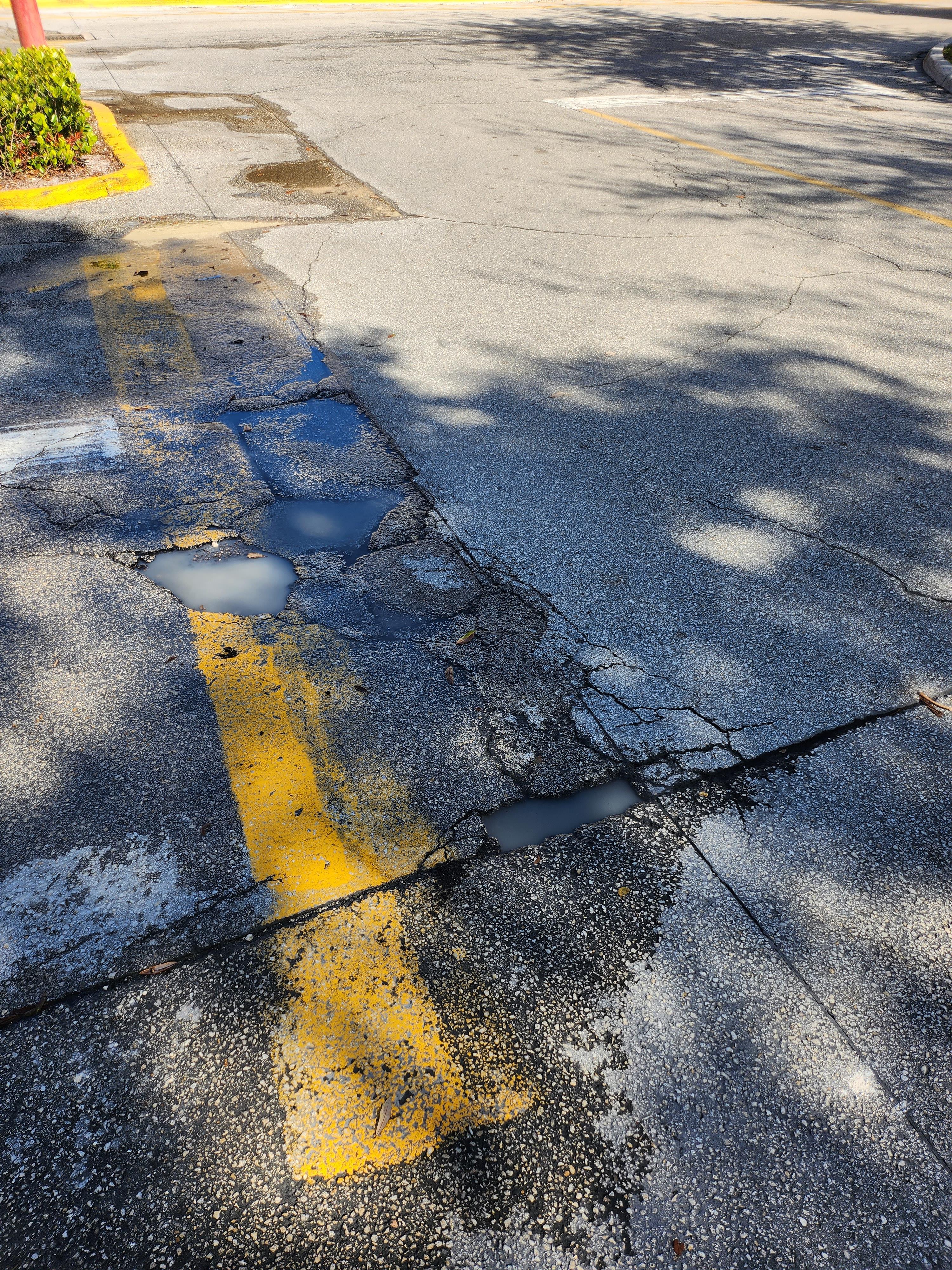
A slip and fall claim must be based on a dangerous condition that posed an unreasonable risk. Common dangerous conditions in Coral Springs include wet or slippery floors, spilled liquids, uneven sidewalks, cracked pavement, loose tiles, broken steps, poor lighting, cluttered walkways, and lack of warning signs.
Florida law does not require property owners to guarantee absolute safety, but it does require them to act reasonably. When a hazard could have been prevented or addressed with reasonable care, liability may arise.
Open and Obvious Hazards Under Florida Law
Property owners and insurance companies often argue that a hazard was “open and obvious,” meaning it should have been seen by the injured person. Under Florida law, an open and obvious condition does not automatically eliminate liability.
Even when a hazard is visible, property owners may still have a duty to address it if it presents an unreasonable risk of harm. Insurance companies frequently misuse the open and obvious argument to shift blame onto injury victims.
Florida’s Comparative Negligence System
Florida follows a comparative negligence system. This means that fault can be shared between the property owner and the injured person. If you are found partially responsible for your fall, your compensation may be reduced by your percentage of fault.
For example, an insurance company may claim you were distracted, not paying attention, or wearing inappropriate footwear. Even if you are found partially at fault, you may still recover compensation, but the amount may be reduced.
Comparative negligence is one of the most common defenses used by insurance companies in slip and fall cases.
Types of Compensation Available Under Florida Law
If a slip and fall accident in Coral Springs was caused by unsafe property conditions, Florida law may allow you to seek compensation for a wide range of damages. These may include medical expenses, hospital bills, physical therapy, rehabilitation costs, lost wages, reduced earning capacity, pain and suffering, emotional distress, and future medical care.
In cases involving permanent injuries, disability, or loss of independence, damages can be significant. Insurance companies often undervalue these claims, especially when long-term effects are involved.
Why Evidence Is So Important in Slip and Fall Cases
Florida law places a heavy burden on injured victims to prove negligence. Evidence plays a critical role in meeting this burden. Photos of the hazard, surveillance footage, witness statements, incident reports, and maintenance records can all be essential.
Because property owners may quickly clean up or repair hazards after an accident, early documentation is especially important. Delays can result in lost evidence and weakened claims.
How Insurance Companies Use Florida Law Against Victims
Insurance companies are well-versed in Florida premises liability law and use it to their advantage. They may argue that the property owner had no knowledge of the hazard, that the condition was open and obvious, or that the injured person caused their own fall.
They may also question the severity of injuries or claim they were pre-existing. Understanding how Florida law applies can help injury victims recognize these tactics and avoid costly mistakes.
Time Limits for Filing a Slip and Fall Claim in Florida
Florida law generally provides injury victims with two years from the date of a slip and fall accident to file a personal injury lawsuit. Missing this deadline can permanently bar your right to compensation, regardless of how serious your injuries are.
Slip and fall claims involving government-owned property may have additional notice requirements and shorter deadlines, making early legal guidance especially important.
Why Legal Representation Matters in Florida Slip and Fall Cases
Slip and fall cases in Coral Springs are often more complex than they appear. Proving knowledge, countering comparative negligence arguments, and dealing with aggressive insurance tactics requires experience and legal knowledge.
A Fort Lauderdale–based personal injury attorney familiar with Florida slip and fall law can investigate the accident, preserve evidence, work with experts, and handle insurance negotiations. Most personal injury attorneys work on a contingency fee basis, meaning there are no upfront costs and no legal fees unless compensation is recovered.
Protecting Your Rights After a Slip and Fall in Coral Springs
Understanding Florida law is one of the most important steps you can take after a slip and fall accident. Knowing what must be proven, how insurance companies operate, and what compensation may be available can help you protect your future.