
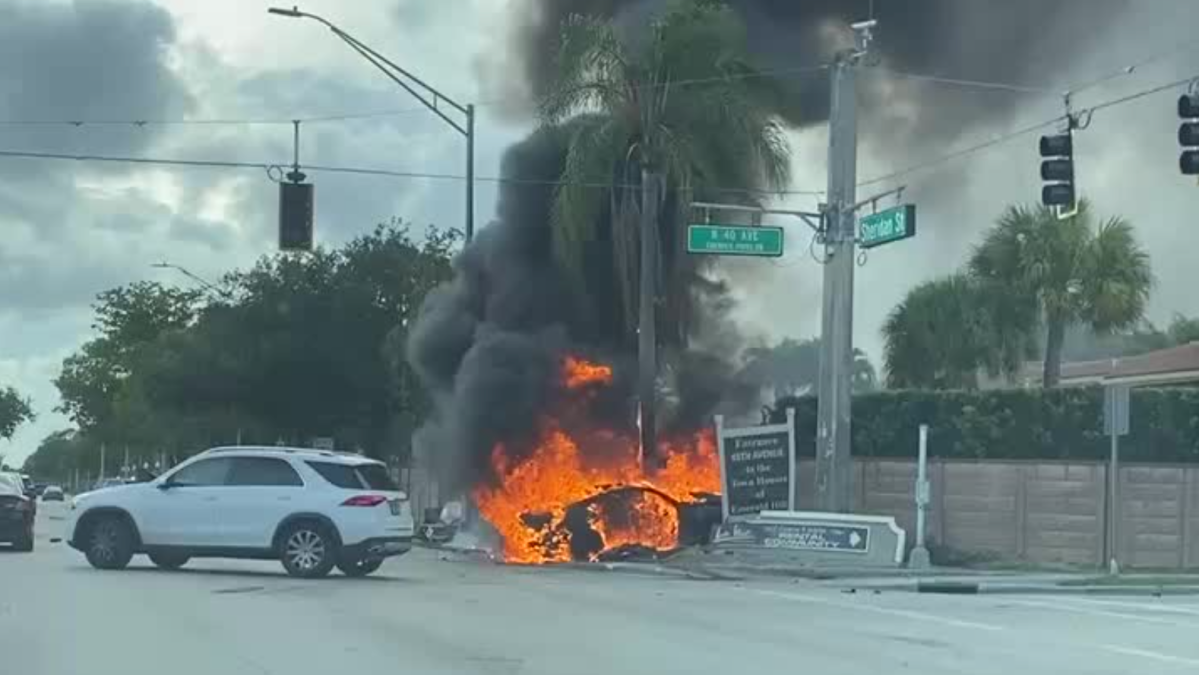
How Fault Is Determined in Multi-Vehicle Accidents in Hollywood
Multi-vehicle accidents are among the most complex crashes seen on roads in Hollywood and throughout Broward County. These collisions often involve three or more vehicles and can occur on busy roadways such as I-95, U.S. 441, Sheridan Street, or congested intersections across South Florida.
When multiple vehicles are involved, determining fault becomes far more complicated than in a typical two-car accident. Drivers may blame each other, and insurance companies often dispute responsibility to limit payouts. Understanding how fault is determined in multi-vehicle accidents in Hollywood can help injury victims protect their rights and pursue fair compensation.
Why Multi-Vehicle Accidents Are So Complex
In a two-vehicle crash, liability often centers on one driver’s actions. In multi-vehicle accidents, however, several drivers may contribute to the collision.
One driver may cause an initial crash, while other drivers fail to stop in time, creating chain-reaction collisions. Some vehicles may be pushed into others after the first impact.
Because several impacts occur within seconds, determining who caused which damage or injury requires careful investigation.
Common Causes of Multi-Vehicle Crashes in Hollywood
Heavy traffic conditions in Hollywood contribute to frequent multi-vehicle accidents. Common causes include sudden traffic slowdowns, distracted driving, speeding, and tailgating.
Weather also plays a role. Heavy South Florida rain often reduces visibility and makes roads slippery, increasing the likelihood of chain-reaction collisions.
Impaired or aggressive drivers sometimes cause crashes that quickly involve several vehicles in congested areas.
Police Investigations Play an Important Role
Police officers responding to multi-vehicle crashes gather statements, examine vehicle positions, and document road conditions. Officers typically prepare accident reports identifying possible contributing factors.
Police reports often include diagrams showing how vehicles collided, as well as observations about driver behavior. Officers may issue citations for violations such as reckless driving or failure to maintain a safe following distance.
Although police reports are important, they do not always determine final liability. Insurance companies and attorneys often conduct independent investigations.
Vehicle Damage Helps Reconstruct Events
Damage patterns on vehicles often reveal how collisions occurred. For example, rear-end damage usually suggests the following driver failed to stop in time.
In chain-reaction accidents, experts analyze impact points to determine the order of collisions. Determining whether a driver caused the first impact or was pushed into another vehicle is critical.
Vehicle damage assessments help insurance companies and attorneys establish fault accurately.
Witness Statements Clarify Conflicting Accounts
Witnesses often play a key role in determining fault when drivers provide conflicting accounts. Independent observers may confirm which driver caused the initial crash.
Witnesses may also identify drivers who were speeding, texting, or behaving recklessly before the accident occurred.
Because memories fade quickly, collecting witness information at the scene can be extremely valuable.
Surveillance and Dashcam Footage Provide Critical Evidence
Traffic cameras, business surveillance systems, and dashcams frequently capture multi-vehicle crashes in Hollywood. Video footage can show which driver caused the first collision.
Footage often reveals whether drivers were distracted or driving too closely. This evidence can settle disputes that would otherwise rely on conflicting statements.
However, footage may be erased quickly, so obtaining it promptly is important.
Florida’s Comparative Negligence Law Applies
Florida follows a comparative negligence system, meaning fault can be shared among multiple drivers. Each driver may be assigned a percentage of responsibility.
For example, one driver may be 60 percent responsible for causing the initial crash, while another driver may share 40 percent responsibility for failing to slow down.
Injury compensation may be reduced based on each party’s level of fault. This system makes determining fault percentages extremely important.
Chain-Reaction Rear-End Collisions Are Common
Many multi-vehicle accidents involve rear-end collisions that occur in sequence. Drivers are generally expected to maintain safe following distances.
However, drivers who are struck from behind may be pushed into vehicles ahead of them. Determining whether they had sufficient time or space to avoid impact becomes important.
Each driver’s actions are analyzed individually to determine responsibility.
Weather Conditions Do Not Automatically Remove Fault
Drivers sometimes argue that rain or poor visibility caused accidents. However, Florida law requires drivers to adjust speed and behavior based on road conditions.
Drivers who fail to slow down or increase following distance during storms may still be held responsible for resulting collisions.
Weather may contribute to crashes, but it rarely eliminates driver responsibility.
Insurance Companies Often Dispute Liability
Multi-vehicle accident claims often involve several insurance companies attempting to shift blame. Each insurer seeks to minimize financial responsibility.
Victims sometimes receive conflicting statements about who caused the accident. Insurers may delay claims while investigations continue.
Handling these disputes without guidance can become overwhelming for injured victims.
Injuries Are Often Severe in Multi-Vehicle Crashes
Because multiple impacts occur, injuries in multi-vehicle accidents are often serious. Victims frequently suffer head injuries, spinal injuries, fractures, or internal trauma.
Medical treatment and recovery may take months or longer, creating financial stress due to medical bills and lost income.
Compensation claims must address both current and future medical needs.
Expert Accident Reconstruction May Be Needed
In complex crashes, accident reconstruction experts analyze evidence to determine how events unfolded. These specialists study vehicle damage, skid marks, electronic vehicle data, and road conditions.
Expert analysis helps clarify responsibility when liability is disputed.
Their opinions often influence settlement negotiations or jury decisions.
Why Legal Guidance Helps in Multi-Vehicle Cases
Multi-vehicle accidents often involve complicated investigations and multiple insurance companies. Determining fault percentages and identifying responsible parties requires experience.
A Fort Lauderdale–based personal injury attorney familiar with Hollywood accident claims can gather evidence, coordinate expert analysis, and negotiate with insurers to pursue fair compensation.
Legal representation allows injury victims to focus on recovery while professionals handle claim complexities.
Most personal injury attorneys work on a contingency fee basis, meaning there are no upfront costs and no legal fees unless compensation is recovered.
Florida’s Legal Deadlines Still Apply
Florida law generally allows injury victims two years from the accident date to file personal injury lawsuits. Even when liability investigations take time, deadlines still apply.
Waiting too long risks losing evidence and legal rights to compensation.
Protecting Your Rights After a Multi-Vehicle Accident in Hollywood
Multi-vehicle accidents create confusion and disputes about fault, but careful investigation can clarify responsibility. Insurance companies may disagree, but evidence ultimately determines liability.
If you were injured in a multi-vehicle accident in Hollywood or anywhere in Broward County, a free consultation with a Fort Lauderdale personal injury lawyer can help you understand how fault may be determined and what compensation options are available. There are no upfront fees, and help is available 24/7 for accident victims throughout South Florida.